










专业数控车床制造商
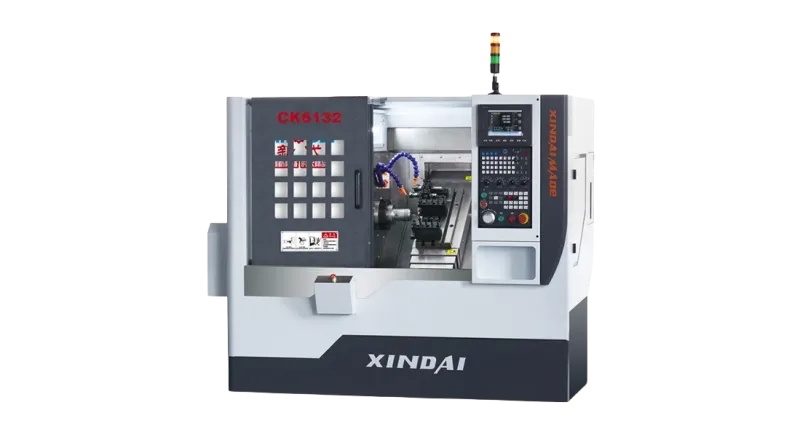
- 35°斜床身排刀系列
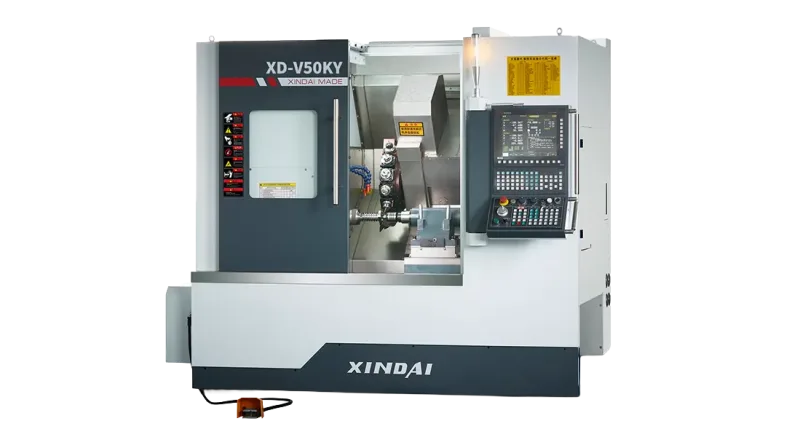
- 刀塔尾顶系列
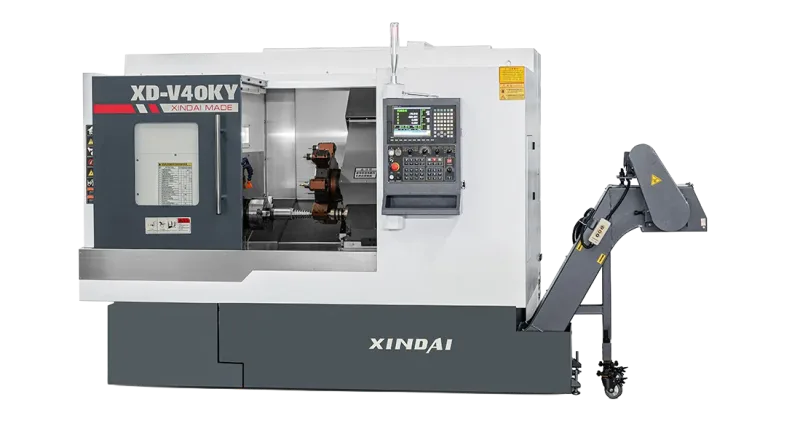
- Y轴动力刀塔尾顶机系列
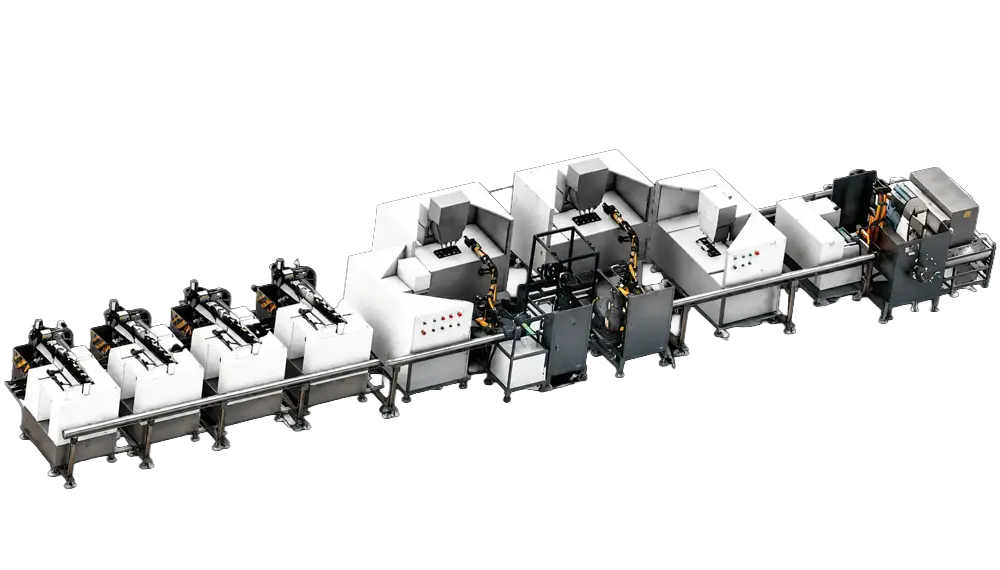
- 双主轴动力刀塔机


实机加工视频
观看真实工况下的加工过程、材料与行业应用,每段视频对应一台实机。

CK20 小型排刀机:紧凑型排刀结构,占地小、响应快,适合小型精密零件的高速车削与多品种切换。最大回转直径 Φ350 mm,X/Z 行程 510/200 mm,主轴转速 6000 rpm,棒料通孔 Φ20 mm。
查看设备详情
TMS-1000ZT 五轴车削中心:X/Y/Z 行程 857/540/1300 mm,配 18000 rpm 万向铣头、12 工位刀塔与 1000 mm 尾座,大型复杂零件一次成型。最大回转直径 Φ800 mm,主轴转速 2500/3500 rpm,棒料通孔 Φ81/Φ52 mm。
查看设备详情
V40KY-B 带Y轴动力刀塔车铣复合机:Y 轴行程 100 mm 配 15 工位动力刀塔,车铣钻攻一次装夹完成,适合复杂面零件的复合加工。最大回转直径 Φ530 mm,X/Y/Z 行程 470/100/420 mm,主轴转速 4000 rpm,棒料通孔 Φ45 mm。
查看设备详情
XD-18TY-B 直联式动力刀塔车铣复合机:直联主轴结构传动效率高,配 18 工位动力刀塔(动力头最高 8000 rpm),适合多工序复杂零件加工。最大回转直径 Φ450 mm,主轴转速 3500 rpm,棒料通孔 Φ52 mm。
查看设备详情
XD-U400A 龙门式五轴加工中心:高刚性整体式龙门 + 双 DD 直驱五轴摇篮,工作台 Φ400mm,主轴 15kW 最高 18000rpm,24 把台湾机械臂刀库,适合复杂曲面与多面体零件。
查看设备详情
XD-2SD46 双主轴双排刀机:双电主轴配双排刀架,X1/X2 行程 870/435 mm,正反面连续车削无需二次装夹,效率高、结构紧凑。最大回转直径 Φ250 mm,主轴转速 4000/4000 rpm,棒料通孔 Φ45/Φ45 mm。
查看设备详情
XD-2SD46V 双主轴伺服刀塔机:双电主轴配 15 工位伺服刀塔与 4000 rpm 动力头,正反面加工一次成型,适合量产零件的产线级配置。最大回转直径 Φ480/Φ250 mm,主轴转速 3500/4000 rpm,棒料通孔 Φ52/Φ45 mm。
查看设备详情
XD-V60KY-1000 Y轴动力刀塔车铣复合机:Z 向行程 1100 mm、尾座行程 810 mm,回转 Φ780 mm,适合 1000 mm 级长轴件的车铣复合加工。主轴转速 2500 rpm,棒料通孔 Φ80 mm,配 12 工位动力刀塔。
查看设备详情
XD-V60KY 插补Y轴动力刀塔车铣复合机:X/Y/Z 行程 570/100/680 mm,配 12 工位动力刀塔与 620 mm 尾座,长工件复合加工能力强。最大回转直径 Φ500 mm,主轴转速 3500 rpm,棒料通孔 Φ52 mm。
查看设备详情
XD-V60K-1000 长轴伺服刀塔尾顶机:Z 向行程 1060 mm、尾座行程 960 mm,专为 1000 mm 级长轴零件设计,刚性强、精度稳定。最大回转直径 Φ640 mm,X/Z 行程 600/1060 mm,主轴转速 2500 rpm,棒料通孔 Φ80 mm。
查看设备详情
V50K 刀塔尾顶机:Z 向行程加大至 550 mm,可加工更长工件,12 工位伺服刀塔配液压尾座,重切削刚性与精度兼备。最大回转直径 Φ550 mm,X/Z 行程 580/550 mm,主轴转速 3500 rpm,棒料通孔 Φ52 mm。
查看设备详情
CK6180 35°斜床身排刀机:系列中规格最大的机型,主轴通孔 Φ80 mm,低转速高扭矩输出,适合大型轴类、重型工件的强力车削。最大回转直径 Φ450 mm,X/Z 行程 900/410 mm,主轴转速 2500 rpm,棒料通孔 Φ80 mm。
查看设备详情
CK6146L 35°斜床身排刀机:加长床身设计,Z 向行程提升至 410 mm,适合细长轴类零件与大规格工件加工,刚性稳定、精度保持性好。最大回转直径 Φ450 mm,X/Z 行程 900/410 mm,主轴转速 4000 rpm,棒料通孔 Φ45 mm。
查看设备详情
CK6125 35°斜床身排刀机:整体斜床身配排刀结构,刚性强、换刀快、排屑畅,适合小直径轴套类零件的高速精密车削与大批量生产。最大回转直径 Φ380 mm,X/Z 行程 630/230 mm,主轴转速 6000 rpm,棒料通孔 Φ25 mm。
查看设备详情关于我们
值得信赖的数控车床制造伙伴
专业数控车床制造商
-
100,000+㎡
厂房面积
-
150+
名员工
-
4,000+台
年产能
-
39款
机型(9大系列)
-
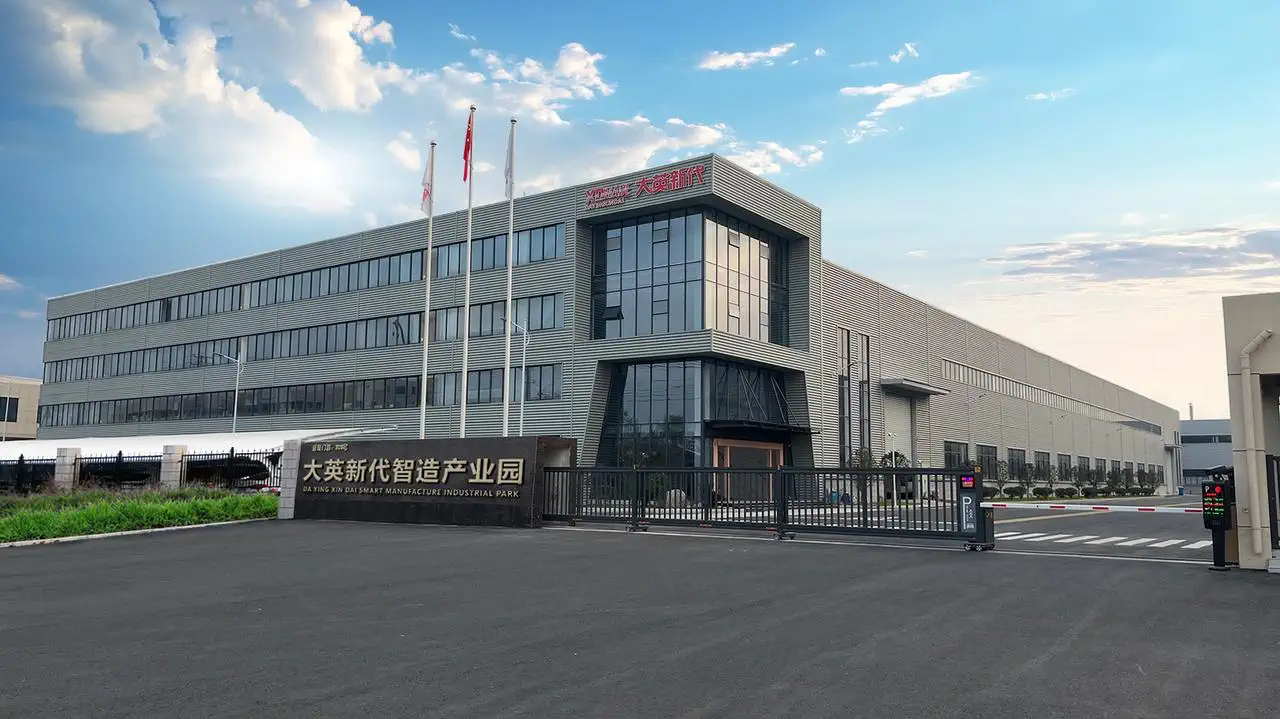
大英新代智造产业园
逾 100,000㎡ 现代化厂房,广东顺德 · 安徽芜湖 · 四川 三大制造基地
-
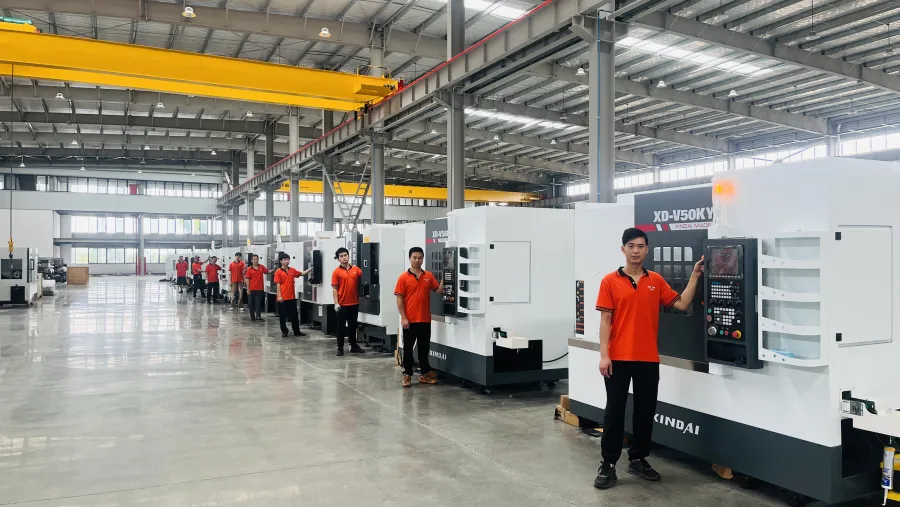
现代化生产车间
150+ 名专业员工,台湾、日本制造工艺标准下的标准化装配线
-
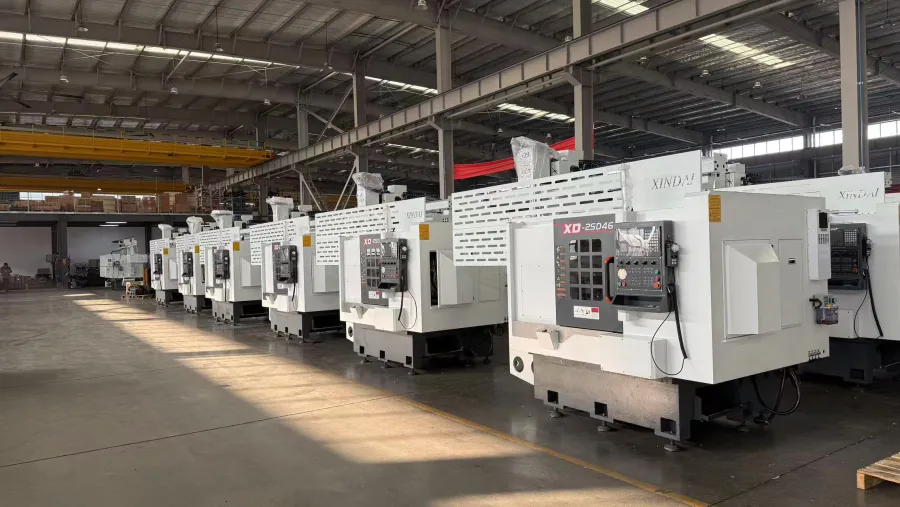
精密加工母机
年产能突破 4,000 台,从床身加工到整机检验全流程自主把控


行业应用案例
从汽车零部件到3C电子,大英新代数控车床为各行业提供稳定高效的批量加工方案。

汽车零部件 · 数控车削批量加工

航空航天 · 数控车削批量加工

高铁/轨交配件 · 数控车削批量加工

液压/阀门 · 数控车削批量加工

五金模具 · 数控车削批量加工

家电配件 · 数控车削批量加工

制冷配件 · 数控车削批量加工

通讯/3C电子 · 数控车削批量加工

通用车削件 · 数控车削批量加工
新闻资讯
了解大英新代最新公司动态、行业趋势与展会活动,见证每一台机床背后的制造实力。
-
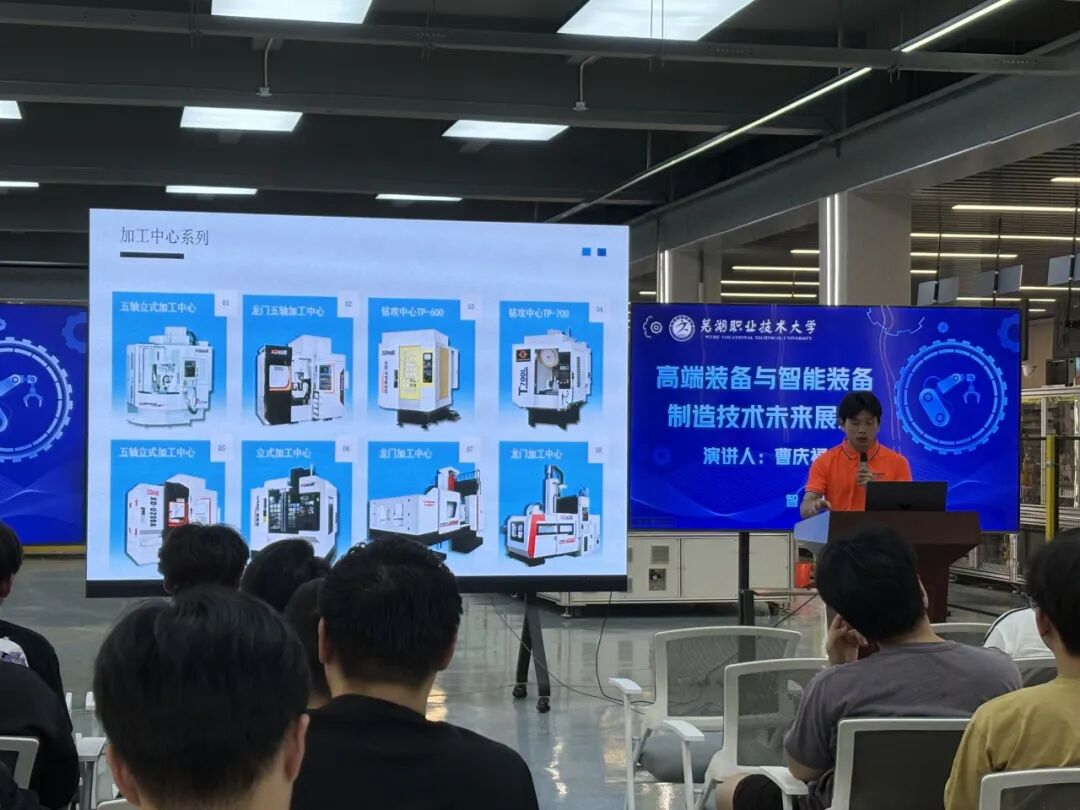
![走出课堂,走进工厂|大英新代校企实践活动圆满落幕]()
-
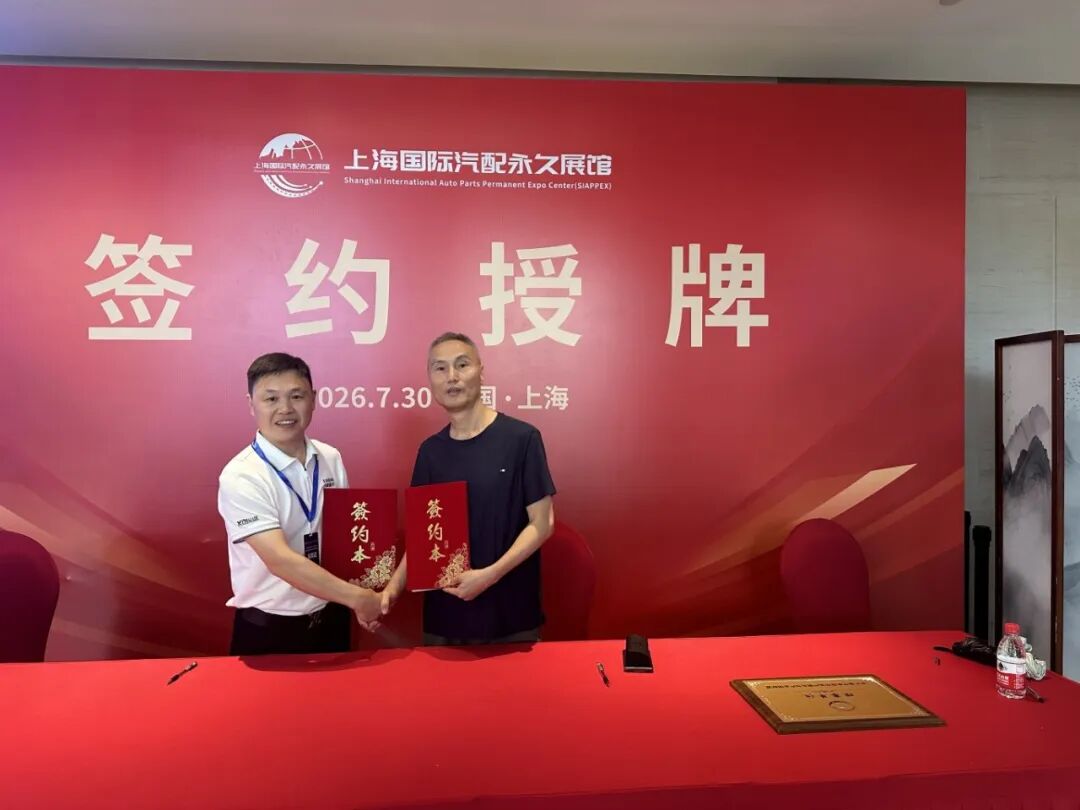
![链聚生态,荣耀加冕|大英新代亮相瑞立730上海供应链生态发展大会]() 链聚生态,荣耀加冕|大英新代亮相瑞立730上海供应链生态发展大会
链聚生态,荣耀加冕|大英新代亮相瑞立730上海供应链生态发展大会7月30日,730上海供应链生态发展大会启幕。大英新代作为瑞立集团长期设备供应商受邀出席,并获“瑞立集团供应链·设备优质供应商”与“上海汽配永久展会招商推广大使”两项荣誉。
阅读更多 -
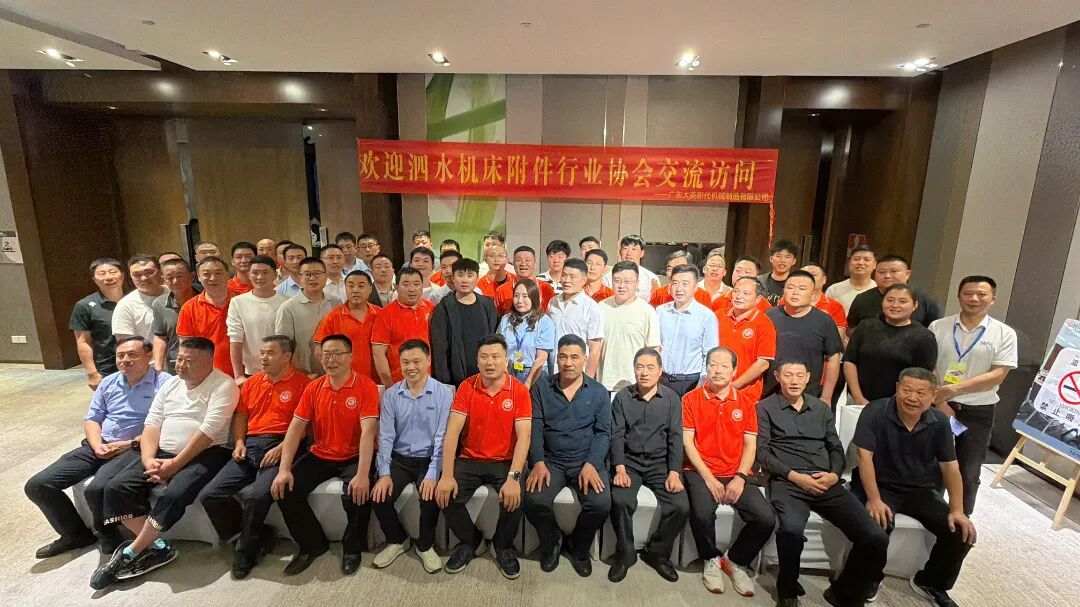
![以展会友聚同行,以诚会心共成长——大英新代与泗水机床附件行业协会交流研讨]() 以展会友聚同行,以诚会心共成长——大英新代与泗水机床附件行业协会交流研讨
以展会友聚同行,以诚会心共成长——大英新代与泗水机床附件行业协会交流研讨11月6日,广东大英新代主办的“机床及机床附件交流会”在深圳举办,泗水机床附件行业协会企业代表齐聚,围绕制造技术解读、自动化案例分享与产业链合作路径展开深度交流。
阅读更多 -
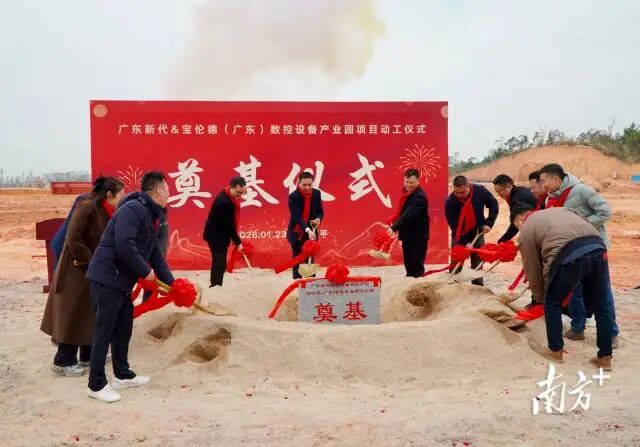
![一天内两个智能装备项目破土动工!恩平奋战“开门红”]() 一天内两个智能装备项目破土动工!恩平奋战“开门红”
一天内两个智能装备项目破土动工!恩平奋战“开门红”1月23日,广东新代数控、宝伦德智能装备两个智能装备项目在恩平大槐智能装备特色产业园动工奠基,聚焦高端数控机床及自动化设备研发制造,进一步完善恩平智能装备产业链条与产业生态。
阅读更多
为您的产线寻找合适的数控车床
与专业技术支持?
请提交您的加工材料、应用场景与生产目标等需求,我们的专家团队将快速评估,并在24小时内为您推荐最合适的车削加工解决方案。
立即联系我们