
English 
Address:
No, 309 Guandoumen Road, Wuhu Distict, China (Anhui) pilot Free Trade Zone


Views: 0 Author: Site Editor Publish Time: 2025-12-03 Origin: Site


You will notice that servo turret base sizes can change based on what you need. For hobby projects, the Warhammer 40K Firestrike Servo-turret uses an 80mm base. In factories, machines like the Xindai CNC XD-V50K have bigger and special bases. Here are some base sizes you might see:
Base Size (mm) |
|---|
19.8 |
20.0 |
23.0 |
29.0 |
30.3 |
32.0 |
If you know the right base size, you can make sure things fit. This helps you plan your project better and feel sure about it.
Pick the correct base size for your servo turret. This helps keep it steady and makes sure it fits well. Usual sizes go from 20mm for small jobs to 80mm for big ones.
Always measure the base carefully with tools like calipers or micrometers. Check your measurements again so you do not make mistakes.
Think about how heavy your turret is and what you will use it for. Bigger bases hold heavier turrets. Smaller bases work for lighter ones.
Look at the details for both the turret and servo before you buy. This makes sure they work together and do their best.
Use steps to pick the right base: measure, check mounting holes, look at specs, and think about what your project needs.
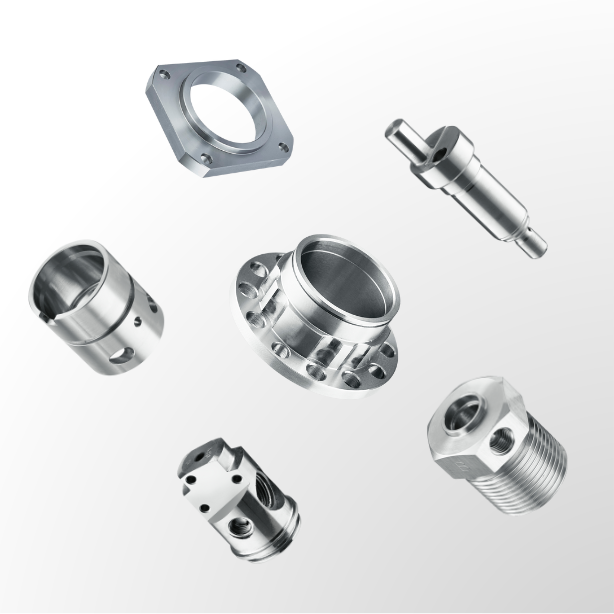
When you look at a turret, you will see that the base comes in many sizes. The size of a base can change depending on what you want to build or use. For hobby models, you might find a base that measures 80 millimeters. This is the same as about 3.15 inches. Some smaller turrets use bases that are 20 millimeters, which is close to 0.79 inches. Larger machines, like those in factories, often use bases that are much bigger.
Here is a table to help you see some common base sizes for turrets:
Base Size (mm) | Base Size (inches) |
|---|---|
19.8 | 0.78 |
20.0 | 0.79 |
23.0 | 0.91 |
29.0 | 1.14 |
30.3 | 1.19 |
32.0 | 1.26 |
80.0 | 3.15 |
Tip: Always check the size of a base before you start your project. This helps you avoid mistakes and makes sure your turret fits where you want it.
You will notice that the size of the base affects how stable your turret is. A bigger base gives more support, especially if your turret is heavy or needs to move fast. If you use a servo to control your turret, you need to match the base size to the servo and the rest of your setup.
You can find turrets with different base sizes in many places. In tabletop games, like Warhammer 40K, the Firestrike Servo-turret uses an 80mm base. This large base helps the turret stay steady during play. If you build your own models, you might use a smaller base, such as 20mm or 30mm, to fit your design.
In factories, you will see much larger turrets. For example, the Xindai CNC XD-V50K machine uses a 12-station servo turret. The base on this turret is designed to hold heavy parts and handle strong forces. This kind of base is much bigger than what you find in hobby projects.
Here are some ways you might use different base sizes:
Small bases (20mm–32mm): Good for light turrets, small robots, or model kits.
Medium bases (around 30mm): Useful for medium-sized servo turrets in robotics or engineering projects.
Large bases (80mm and above): Best for heavy-duty turrets, industrial machines, or when you need extra stability.
If you want to choose the right base, think about the weight of your turret, the type of servo you use, and how much space you have. The size of a base can change how well your turret works and how easy it is to set up.
Note: Always read the instructions or check the product details for your turret and servo. This helps you pick the best base size for your needs.
You can measure a turret base by following easy steps. First, get the right tools for the job. Good measurements help you pick the best base for your turret and servo. Here are some tools you might use:
Indi-Calipers: These measure bore sizes with points and a dial.
Ring Gages: Use these to check diameters and set other tools. Many people think these are the best.
Inside Micrometers: Tools like the Brown & Sharpe Intrimik give very exact measurements and help avoid mistakes.
Dial Bore Gauges: These are liked because they are accurate and do not change with hand heat.
Go No-Go Gauges: These show if a hole is the right size by using pins with set sizes.
To measure the base, put your tool across the widest part of the turret’s bottom. Look at the number and write it down. Measure more than once to make sure you get the same result. If you use a servo, check that the base fits the servo’s mounting spot. This helps your turret stay steady and work well.
You can also find base size and other details in the maker’s specifications. These papers give you exact numbers for your turret and servo. Here is an example of what you might see in a specification sheet:
Specification | Details |
|---|---|
Turret specifications | 125 Center high/12 Stations |
Machine size (L × W × H) | 6000×2300x2550mm |
7000×2300×2550mm | |
8500×2300×2550mm |
Feature | Details |
|---|---|
Working principle | Servo electric motor transposition |
Tool-holder disk | Clamping/unclamping with hydraulic force |
Indexing mechanism | 3 pieces face gear coupling |
Always look at these sheets before you buy or build. The numbers help you choose the right base for your turret and servo. This makes sure your project fits together and works as you want.
Different companies make turret bases in their own way. Each company wants its turret to work well for its machines. Some brands use bigger bases to hold heavy things. Other brands pick smaller bases for tight spaces. You might see a servo turret with a round base or a square base. The shape depends on the model.
When you look at turret bases, check the features and how they work. Some models use a camlock-type design for fast tool changes. Others use cycloid reduction for smooth moves. International rules help match the central height and base style between brands. This makes it easier to find parts that fit together.
Feature | Description |
|---|---|
Central Height | Follows international rules |
Design Mechanism | Uses cycloid reduction and camlock-type |
Tool Change Mechanism | Lets you change tools without lifting the disc |
Always look at the details for each turret. This helps you pick the best base for your project.
The size of a turret base depends on how you use it. If you build a robot, you may need a small base for light things. If you use a factory machine, you need a big base for heavy parts. The servo turret should fit what you need.
Many things affect your choice of base size. You need to think about inertia matching, speed, and torque. These things help your servo work well and keep your turret steady. You should look at speed-torque curves and RMS torque. This makes sure your base supports the motor and the load.
Factor | Description |
|---|---|
Inertia Matching | Shows how the load and motor work together. |
Speed and Torque | Tells what the motor can do and what you need. |
Speed-Torque Curves | Shows how speed and torque change together. |
RMS Torque | Tells how much torque the motor can handle. |
Tip: Always match the base size to your servo and turret. This helps you avoid problems and keeps your project working well.
You can make better choices when you know how the base, turret, and servo work together. Always check your needs and the details before you pick a base.
You want your turret to fit and work well with your system. The base plays a big role in this. If you pick the wrong size, your turret might not stay steady or connect to your platform. Always check the width and weight of the base before you start. You can see how different base sizes change the way turrets fit in the table below:
Feature | Standard RIwP | Lightweight RIwP |
|---|---|---|
Weight (Base Assembly) | ~2,500 lbs | < 950 lbs |
Base Assembly Width | 64.7 in | 49.6 in |
A bigger base gives more support for heavy turrets. A smaller base works better for light turrets or tight spaces. You should match the base to the weight and size of your turret. If you use a servo, make sure the base lines up with the servo’s mounting holes. This helps your turret move smoothly and stay in place.
Tip: Always measure the base and check the specs for your turret and servo before you build or buy.
You need to think about a few things when you choose a base for your turret. Start by looking at the size of your turret and the space you have. If your turret is large or heavy, pick a base that can hold the weight. If you want to make a base for a small robot, choose a lighter and smaller size.
Here are some steps to help you pick the right base:
Measure the bottom of your turret.
Check the mounting holes for your servo.
Look at the specs for your turret and servo.
Think about where you will use the turret.
Pick a base that matches the size and weight you need.
If you follow these steps, you will find a base that fits your turret and works with your servo. You can avoid problems and make your project work better. Always remember, the right base helps your turret stay strong and move the way you want.
Note: If you are not sure, ask for help or look at the instructions for your turret and servo.
Servo turret base sizes can be small or very big. Some are for hobby models, and some are for big machines. You should always check the base size before you start. Make sure your servo matches your project. This helps your servo work right and keeps it steady. If you need help, you can look for guides and tips online. Army Forge has advice about base sizes for games like Grimdark Future and Age of Fantasy. Beginner's Guides also give tips and ideas for picking a base for your servo.
Army Forge gives base size tips for games like Grimdark Future and Age of Fantasy.
Beginner's Guides share easy tips and ideas for your servo projects.
Most hobby servo turrets use an 80mm base. This is very common in tabletop games.
Model Example | Base Size (mm) |
|---|---|
Firestrike | 80 |
Use calipers or a ruler to check the widest part of the base.
Tip: Measure two times to make sure you are right.
You must match the servo’s mounting holes and the base size. Some servos only fit certain bases.
️ Always look at the specs before you buy anything.
A bigger base helps your turret stay steady when it moves.
Note: Heavy turrets need large bases to be safe.


